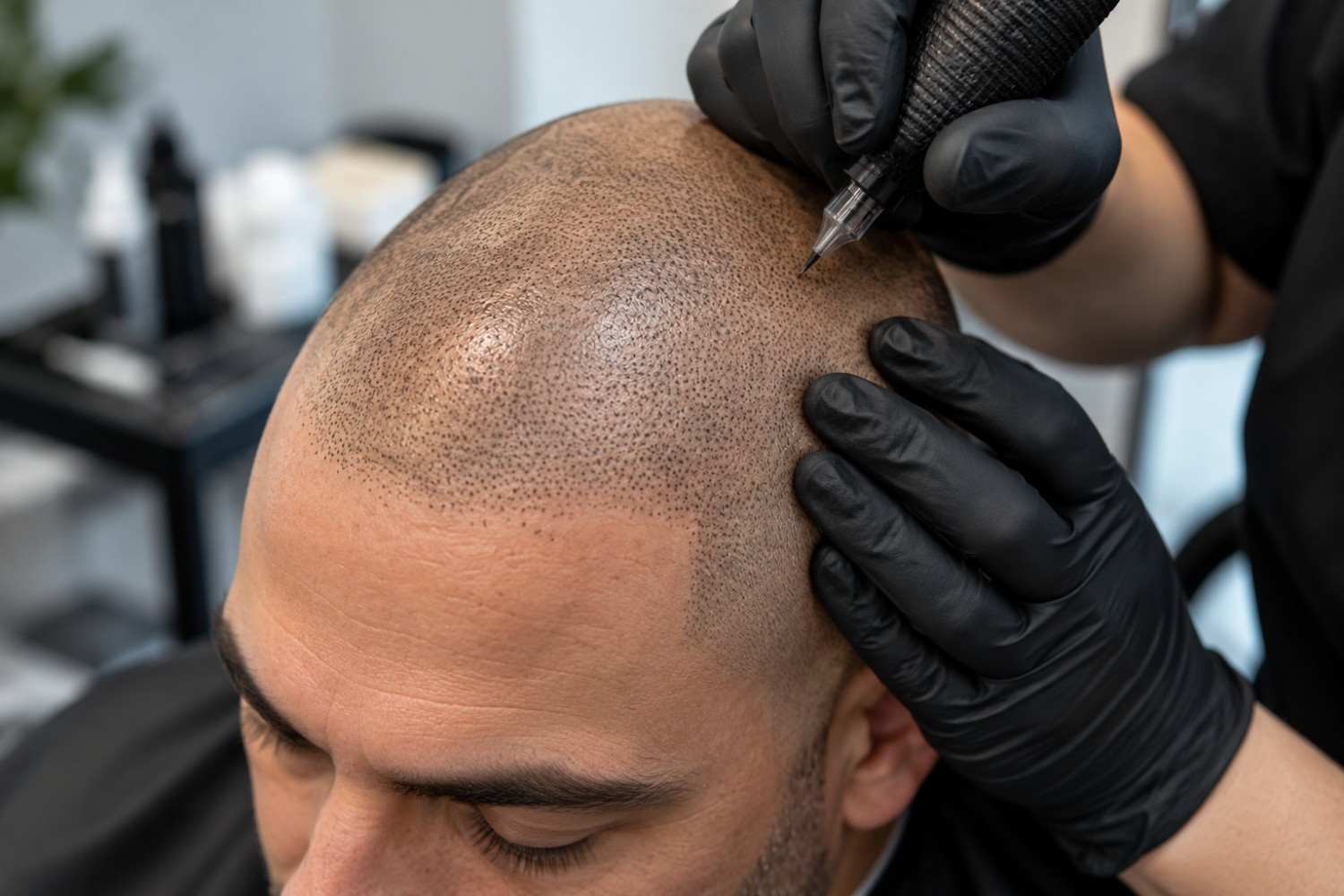
Questions about scalp micropigmentation scar texture often focus on whether treatment can smooth the skin. SMP uses tiny pigment dots to mimic shaved hair and help some scars blend with nearby hair. It can reduce color contrast but cannot flatten raised tissue or fill dents. The scar’s shape remains.
Maxim SMP helps clients explore scalp scar camouflage through a review of their scar and goals. The team can assess its color, shape, and healing before discussing suitable options. Results vary based on the scar and surrounding scalp. A consultation can help you understand possible changes and set clear treatment expectations.
What Actually Changes?
The Scar’s Look
SMP can make some scalp scars look less clear, but it does not change how the skin feels. It cannot smooth bumps, fill pits, or remove scar tissue.
Questions about scalp micropigmentation scar texture often come from this gap between looks and feel. Small dots can help a pale scar blend with nearby hair. The scar may stand out less as a result, yet you may still feel a ridge or dip when you touch it.
How the Dots Help
We use 3D scalp micropigmentation scar areas to place small pigment dots in the scalp. These dots look like hair cut close to the skin.
Our goal is to help the scar blend with the hair around it. Light can still show bumps or pits, though, since the skin’s shape stays the same. We check your scar and explain what may change so you can set clear goals before you choose this treatment.
How Different Scar Textures Affect SMP Results
Flat, Pale Scars
Pale scars can stand out against dark hair. Small pigment dots may help the scar blend with nearby hair patterns. We assess scalp micropigmentation scar texture before discussing what may improve.
- Color match: We choose pigment that suits the nearby hair.
- Scar check: Flat scars still need a review of healing and skin health.
Raised Scars
Raised scars sit above nearby skin. This height can cast shadows, even when pigment helps reduce the color gap. SMP cannot flatten the bump or remove shadows caused by its shape.
- Hypertrophic scars: These raised scars stay within the edges of the original wound.
- Visible height: Side lighting may still show the raised tissue after SMP.
Depressed or Pitted Scars
Pitted scars leave small dents in the scalp. Pigment may help pale spots blend with nearby hair, but the dents remain. Concerns about scalp micropigmentation scar texture often involve how these dips look under bright light.
- Color blending: Pigment may make some pale dents less clear.
- Surface shape: Light can still reveal pits because SMP does not fill them.
Firm, Thick Scar Tissue
Firm scar tissue can respond differently from nearby skin. We check its feel and healing before planning treatment. Thick tissue may affect pigment placement and how much color stays after healing.
- Pigment placement: Firm tissue can make even dot placement harder.
- Healing response: Scarred areas may heal differently from nearby skin.
- Color retention: Some areas may hold less pigment and need further review.
Keloid Scars
Keloids can grow beyond the original wound. Tattoo needles may trigger more scar growth in people prone to keloids. Medical guidance matters before SMP, even if your keloid formed elsewhere.
- Past scars: Tell us if you have had a keloid.
- Medical review: A doctor should assess your risk before you choose a cosmetic scalp tattoo.
What SMP Can and Cannot Do for Scalp Scars
Changes You May See
Questions about scalp micropigmentation scar texture often focus on whether a scar will look and feel less clear. SMP may help some scars blend with nearby hair. It adds small pigment dots, but it does not remove scar tissue. The table shows what may change and what stays the same.
| Concern | What SMP May Help With | What SMP Cannot Do |
| Pale scar contrast | Reduce contrast with nearby hair patterns | Remove the scar |
| Raised tissue | Hide some color contrast | Flatten the tissue |
| Pitted tissue | Reduce some color differences | Fill the dent |
| Missing hair | Create the look of small hair follicles | Grow real hair |
| Uneven skin | Help some areas blend | Restore normal skin texture |
What Shapes Your Results
We assess scalp micropigmentation scar texture by checking the scar’s shape, color, and feel. Results depend on these traits, nearby hair, skin tone, and treatment skill. Light also affects how much a bump or dent stands out. We explain these limits before treatment to help you set clear goals.
When Other Care May Help
Medical scar revision may address concerns that pigment cannot fix. A doctor can assess raised or pitted tissue and discuss suitable options. SMP serves a different goal, since it changes the scar’s look rather than its physical shape.
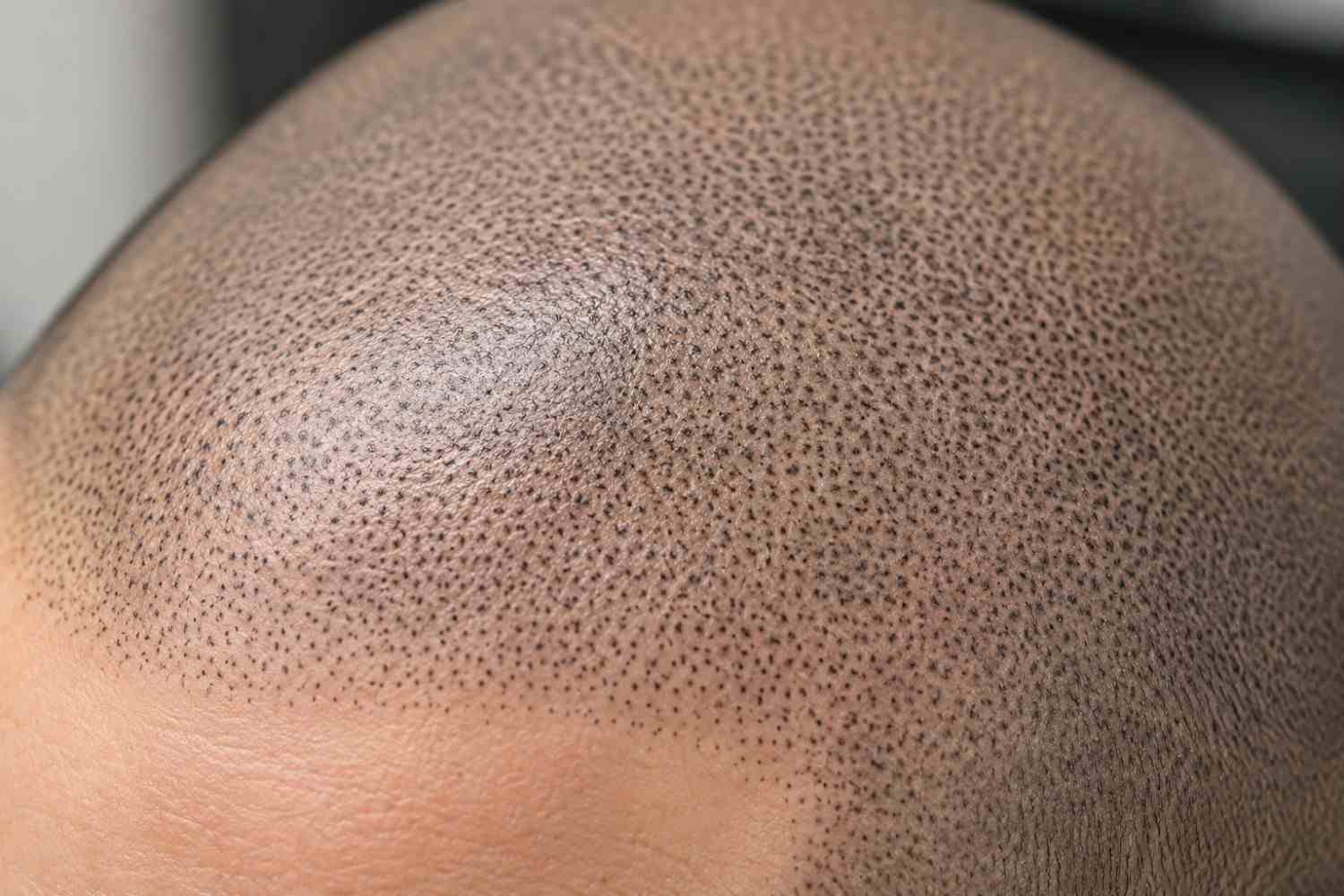
Why Scars Look Different Under Light
Light and Shadows
Light can make scalp micropigmentation scar texture look different from one room to the next. A lamp at your side can cast shadows across raised scars or dents. Pigment may reduce color gaps, but it cannot change the skin’s shape. A scar can still show under strong or angled light.
Viewing Distance and Hair Length
A close view may show small bumps that you miss from across a room. Hair length also affects how scars blend with nearby areas. Longer hair may cover parts of a scar, while a close cut exposes more skin. We consider your usual hair length when we discuss treatment goals.
Fair Photo Comparisons
Photos of scalp micropigmentation scar texture can mislead when light, angles, or hair length differ. Bright light may reveal a dent, while soft light hides its shadow. Compare healed results under similar lighting and from the same distance. Matching these conditions helps you judge changes more fairly before choosing treatment.
Clear Expectations
Results depend on scar features, nearby hair, skin tone, and treatment skill. We explain what pigment may help blend and which bumps or dents will remain. Your scar does not need to look flawless. Our goal is to help you understand your options and choose what feels right for you.
When Is a Scalp Scar Ready for SMP?
The Scar Needs to Be Fully Healed
Closed skin does not mean a scar is ready for SMP. Its color, shape, and feel may still change. We assess scalp micropigmentation scar texture before planning treatment. Each scar heals at its own pace, so there is no single waiting period.
Changing Scars Need Medical Review
Red, painful, swollen, itchy, or growing scars need a clinician’s review before SMP. These signs may have different causes. We ask about changes and symptoms to help decide whether you need medical care first.
A Consultation Helps Set the Plan
Our review of scalp micropigmentation scar texture covers the scar’s cause, age, color, and shape. We check past healing issues, keloid history, nearby hair, and scalp health. Our team decides readiness based on your scar, with medical input when needed.
What to Expect From SMP Scar Camouflage
Scar Assessment
We check your scar’s color, shape, and feel, then ask what you hope to change. Our review of scalp micropigmentation scar texture helps us explain which features pigment may hide. We also discuss bumps or dents that will remain. This helps you set clear goals before we plan your treatment.
A Possible Test Patch
We may suggest placing pigment in a small part of the scar first. This test can show how that spot heals and holds color. A test patch offers useful clues, but it does not guarantee the full result. Other parts of the scar may respond differently when we add pigment.
A Gradual Treatment Plan
Your treatment may need several visits. We may start with fewer dots and build the look in small steps. We check how your skin heals between visits, so we can adjust the plan when needed. The number of visits depends on your scar, pigment response, and the look you want.
Follow-Up Care
Follow our care steps after each visit. We explain how to clean the area and what to avoid while it heals. Ask us if any step feels unclear. Your follow-up needs may vary, so we set checks based on your skin’s response rather than a fixed schedule for all clients.
Find Out If Scalp Scar Camouflage Fits Your Goals
At Maxim SMP, we help you explore ways to make scalp scars blend with nearby hair. We can discuss your questions about scalp micropigmentation scar texture and assess whether treatment may suit your skin. Our review looks at your scar’s shape, color, and healing, along with the changes you hope to see.
Contact us to discuss your scar’s appearance and possible treatment options. Results depend on each scar’s features, nearby hair, and skin response. SMP may reduce some color contrast, but bumps and dents remain. We explain these limits so you can choose your next step with clear, realistic goals.
FAQs
Can scalp micropigmentation change scar texture?
SMP does not change how a scar feels or alter its shape. It places small pigment dots in the scalp to mimic closely shaved hair. These dots may help some scars blend with nearby hair. Raised bumps and dents remain, even when the scar looks less clear.
Can SMP hide raised scalp scars?
SMP may reduce the color gap between a raised scar and nearby hair patterns. It cannot flatten the tissue, though. Light from the side can still reveal the bump and its shadow. We assess the scar before discussing what pigment may improve and whether medical review is needed.
Does SMP fill pitted scars?
SMP does not fill pits or replace missing tissue. Pigment may help pale areas inside some dents blend with nearby hair patterns. The dent remains, so bright or angled light may still show it. We explain these limits before treatment to help you set clear goals.
When is a scalp scar ready for SMP?
A scar needs to heal fully before SMP, but closed skin alone does not prove readiness. Its color, shape, and feel may still change. We review these features and your healing history. Red, sore, itchy, swollen, or growing scars need a clinician’s assessment before cosmetic treatment.
How many SMP sessions do scalp scars need?
The number of sessions depends on the scar, your goals, and how your skin holds pigment. We may build the look over several visits and check healing between sessions. A small test patch may help us assess the skin’s response, but it cannot guarantee the full result.