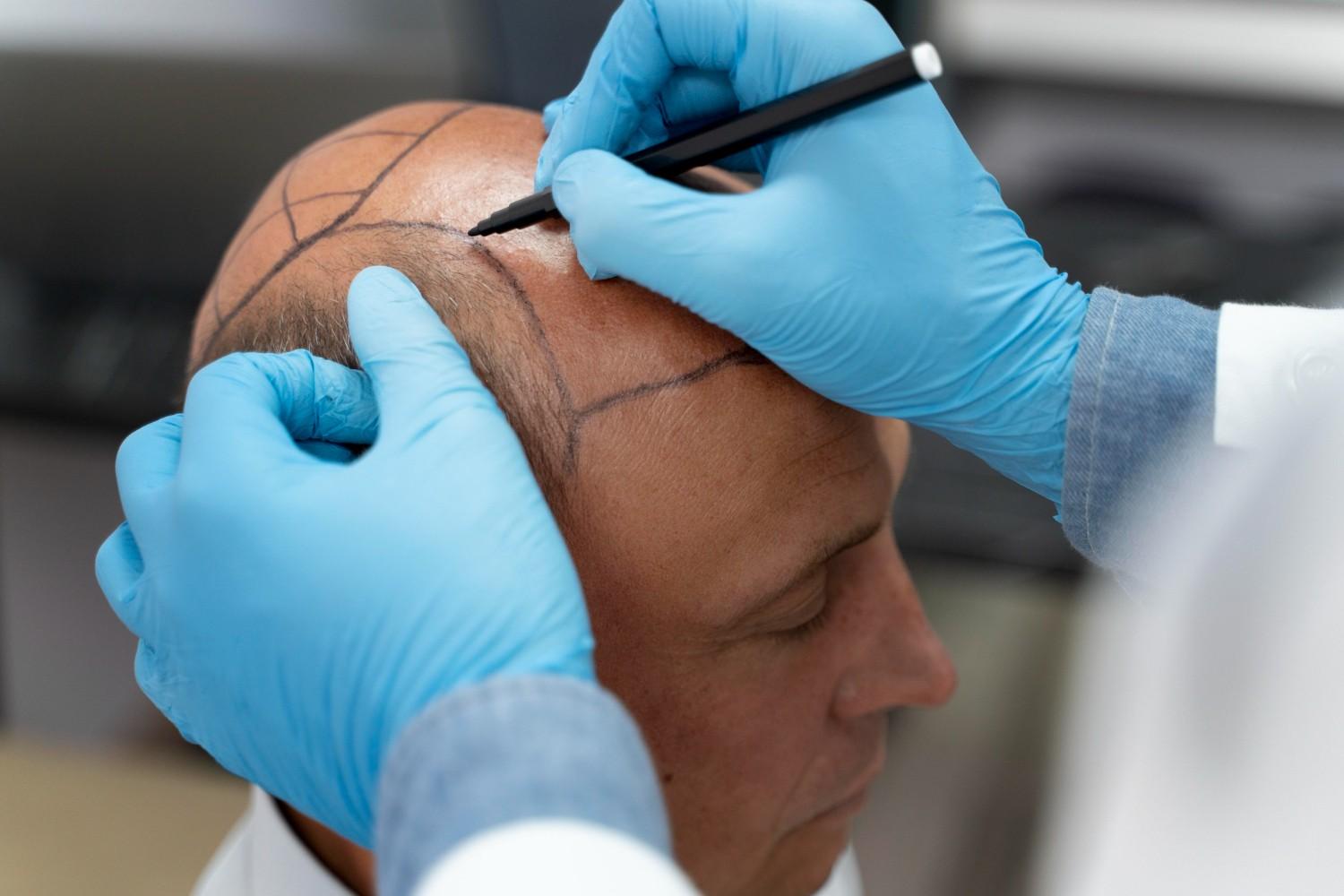
Scalp micropigmentation hair transplant scars can be effectively concealed through a non-surgical treatment known as SMP. By depositing specialized pigments into scar tissue, practitioners recreate the appearance of tiny hair follicles, helping the scar blend naturally with the surrounding hair.
At Maxim SMP, our experienced technicians use advanced scalp micropigmentation techniques to camouflage FUT and FUE transplant scars, creating natural-looking results that help improve scalp appearance and restore confidence.
Hair Transplant Scar Camouflage Gallery
See how scar coverage can change the look of the scalp. These before and after photos show real results from people who wanted to make their hair transplant scars less visible. Scalp micropigmentation hair transplant scars treatment can help blend scar areas with the rest of the scalp for a more even look.
Before And After Results
Our gallery shows clear before and after photos from actual clients. Each image highlights the improvement that can happen after treatment. You can compare the results and see how the scalp looks more natural after the procedure.
FUT Scar Examples
FUT scars often leave a long line on the back of the head. Our photos show how technicians can cover these scars and help them blend with nearby hair. As a result, many clients feel more comfortable wearing shorter hairstyles.
FUE Scar Examples
FUE scars can leave small marks across the scalp. Our gallery shows how treatment can reduce the look of these spots. In many cases, the scalp appears smoother and more balanced after the sessions.
SMP Scar Results
Many clients choose 3D scalp micropigmentation because it creates the look of tiny hair follicles. This technique helps scars blend in better with the surrounding area, and it can give the scalp a fuller appearance.
How Scalp Micropigmentation Covers Hair Transplant Scars
Scalp micropigmentation adds small pigment dots to the scalp that look like real hair follicles. This process helps scars blend in with the hair around them, so they are harder to see. Many people choose scalp micropigmentation hair transplant scars treatment because it offers a simple way to improve the look of the scalp without surgery.
FUT Scar Coverage
FUT hair transplants can leave a long scar on the back of the head. Scalp micropigmentation helps cover this line by matching the look of nearby hair follicles. As a result, the scar blends in better and becomes less noticeable.
FUE Scar Coverage
FUE hair transplants can leave many small scars across the scalp. Scalp micropigmentation helps hide these marks by creating the look of natural hair density. In addition, the treatment helps the scalp look more even and balanced.
Benefits Of SMP For Hair Transplant Scars
Scalp micropigmentation offers many benefits for people who want to make hair transplant scars less visible. The treatment is simple, does not need surgery, and can improve the look of the scalp. Many people choose scalp micropigmentation hair transplant scars treatment because it helps create a more natural appearance.
Natural-Looking Scar Coverage
This treatment helps scars blend in with the hair around them. The small pigment dots look like real hair follicles, so the scalp appears more even. As a result, many people feel better about their appearance.
Non-Surgical Treatment
Scalp micropigmentation does not require surgery or long recovery times. The process is simple and easy for many people.
Benefits include:
- No cuts: The treatment does not involve incisions.
- No stitches: There is no need for stitches after treatment.
- Less downtime: Most people return to normal activities soon after a session.
Fast Visible Results
Many people notice a change after their first session. The scalp can look fuller and more balanced right away. In addition, the treatment can help reduce the look of scars quickly.
Long-Lasting Results
The results can last for years with proper care. Some people choose touch-up sessions to keep the look fresh.
Long-term benefits include:
- Lasting improvement: Results stay visible for a long time.
- Easy maintenance: Most people only need occasional touch-ups.
- Consistent appearance: The scalp keeps a natural look over time.
Scar Revision Procedures
Scar treatment can help make hair transplant scars less noticeable. Different methods work for different types of scars. Many people choose scalp micropigmentation hair transplant scars treatment because it helps the scalp look more even and natural.
FUT Scar Camouflage
FUT hair transplant surgery can leave a long scar on the back of the head. This treatment helps cover that scar by adding small pigment dots that match the look of nearby hair. As a result, the scar blends in better with the surrounding area.
FUE Scar Concealment
FUE procedures can leave many small scars across the scalp. This treatment helps reduce the look of those marks and creates a smoother appearance. In addition, it can help the scalp look fuller and more balanced.
Combination Scar Revision
Some people have more than one type of hair transplant scar. A customized scar revision plan can address different scar areas and help create a more natural look. This approach allows the treatment to match each person’s unique needs.
Long-Lasting Improvement
Many people enjoy results that last for years. Occasional touch-up sessions can help maintain the appearance over time. As a result, the scalp can continue to look clean, even, and natural.
Why Choose Our Clinic?
Choosing the right clinic can make a big difference in your results. Our team focuses on safety, comfort, and natural-looking outcomes. Many people trust us for scalp micropigmentation hair transplant scars treatment because we use proven methods and pay close attention to every detail.
Medical-Grade Pigments
We use high-quality pigments made for scalp micropigmentation procedures. These pigments help create a clean and natural look. As a result, the treatment blends well with the surrounding hair.
Experienced SMP Specialists
Our specialists have years of experience working with hair loss and scalp scars. They understand how to treat different scar types and scalp conditions. In addition, they create treatment plans that fit each person’s needs.
Customized Treatment Plans
Every scalp is different, and every scar has its own shape and size. Our team carefully examines each area before treatment. This approach helps us create a plan that matches your goals and desired look.
Natural Results Focus
We aim to make the treated area look as natural as possible. Our specialists place each pigment dot with care to match the look of real hair follicles. As a result, the scalp appears smoother, more even, and more balanced.
Ready To Hide Your Hair Transplant Scars?
If you want a simple way to improve the look of your scalp, Maxim SMP can help. Our team specializes in scalp micropigmentation hair transplant scars treatment and creates natural-looking results that blend with your existing hair. We will work with you to build a treatment plan that fits your needs and goals. Contact us today to schedule your free consultation and learn more about your options.
FAQs
What is scalp micropigmentation for hair transplant scars?
Scalp micropigmentation is a treatment that uses small pigment dots to help hide hair transplant scars. The dots look like natural hair follicles and help the scar blend with the surrounding hair.
Can scalp micropigmentation cover FUT and FUE scars?
Yes. Scalp micropigmentation can help reduce the look of both FUT strip scars and FUE extraction scars. The treatment can make scars less noticeable and create a more even appearance.
How many sessions will I need?
The number of sessions depends on the size and type of the scar. Many people need one to three sessions to achieve their desired results.
Are the results long-lasting?
Yes. Results can last for several years with proper care. Some people choose touch-up sessions to keep the appearance looking fresh.
Does scalp micropigmentation look natural?
Yes. Skilled technicians place pigment dots carefully to match the look of real hair follicles. This helps create a natural and realistic appearance.