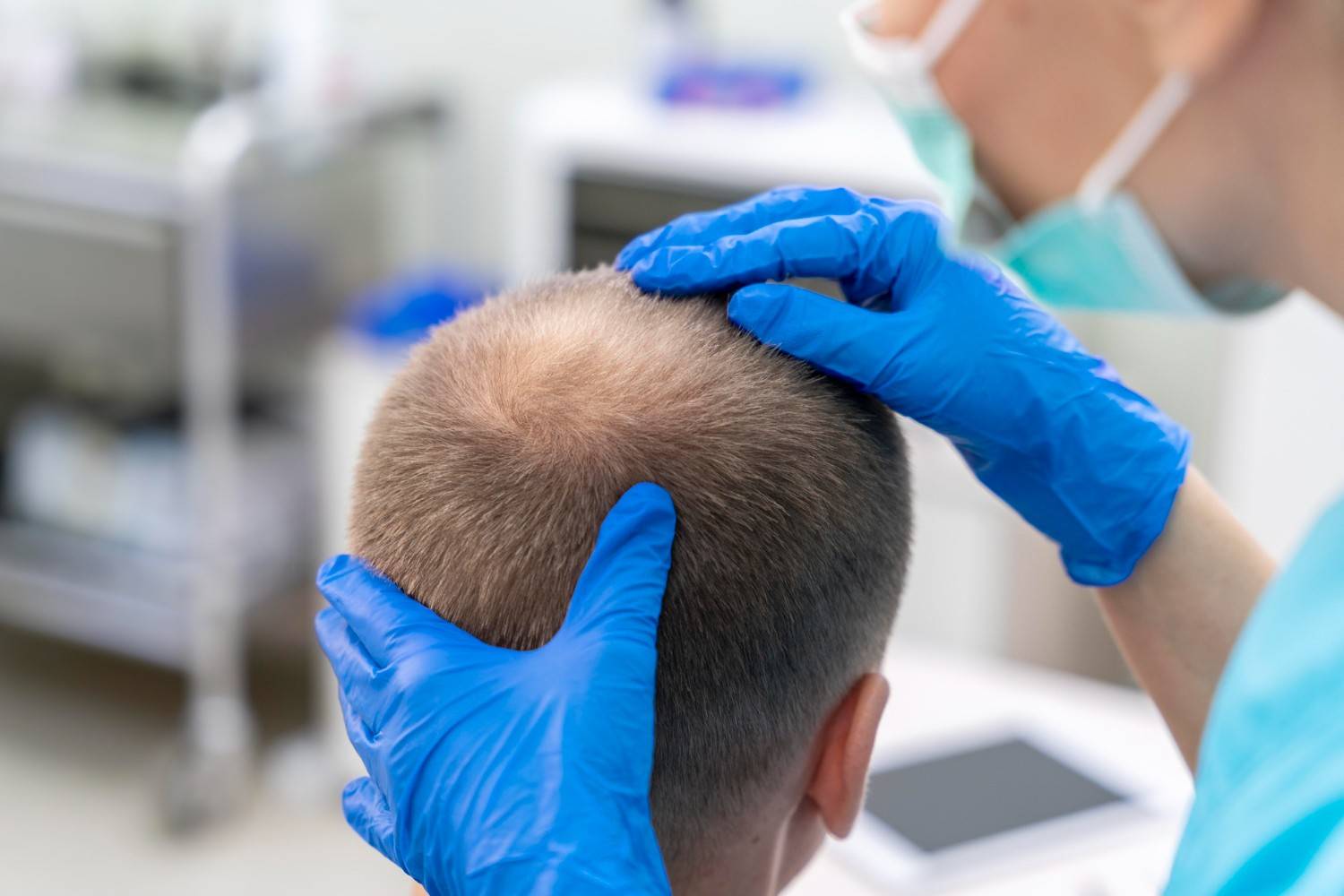
When comparing scalp micropigmentation vs hair transplant, scalp micropigmentation (SMP) is a highly effective, low-maintenance, long-term solution for thinning hair, offering immediate, non-invasive, and cost-effective results compared to surgery. Hair transplants provide real growing hair, while SMP suits advanced baldness with touch-ups every 3–6 years.
Many people exploring non-surgical hair restoration options turn to Maxim SMP for professional scalp micropigmentation treatments. Their experienced technicians focus on creating natural-looking hair density, helping individuals address thinning hair or bald areas with personalized procedures and long-lasting aesthetic results.
What Is Scalp Micropigmentation?
A Simple Non-Surgical Hair Loss Solution
Scalp micropigmentation is a hair loss treatment that does not need surgery. A trained tech places tiny dots of color on the scalp. These dots look like real hair roots. As a result, the scalp looks fuller and darker. When people compare scalp micropigmentation vs hair transplant, they often like this option because it is simple and does not involve surgery.
Uses Safe Medical-Grade Pigments
The process uses special medical-grade pigments that are safe for the skin. A small device adds these pigments in layers on the scalp. Each dot copies the look of a small hair follicle. Because of this careful work, the final result can look clean, neat, and very natural.
Creates The Look Of Natural Hair Follicles
Each pigment dot looks like a tiny hair root. When many dots sit close together, they make the scalp look like it has more hair. This method can help hide thin areas. It can also make a buzz cut look thicker and more even.
A Fuller Or Shaved Hair Appearance
Scalp micropigmentation can create the look of a full buzz cut. It can also add the look of density to thin hair. Because of this, many people choose it when they want a clean shaved style or a darker scalp. A method called 3D scalp micropigmentation adds more depth so the result looks even more real.
Fast Results With Little Care
Results show right after the sessions. You do not need a long healing time. In most cases, people return to normal life very soon. The treatment also needs little care, which makes it easy for busy people.
Long-Lasting Hair Density Look
This treatment lasts for years before it needs a touch-up. Over time, the color may fade a little. Even so, the look stays natural for a long time. Many people like it because scalp micropigmentation longevity allows them to enjoy a fuller look without daily effort.
What Is Hair Transplant Surgery?
Hair transplant surgery is a medical way to move real hair from one part of the scalp to another. Doctors take healthy hair roots and place them in areas with thin or no hair. When people study scalp micropigmentation vs hair transplant, they learn that this option uses real hair and requires a small surgery.
- Surgical Hair Restoration Procedure: Doctors perform this treatment in a clinic. They numb the scalp and carefully move hair follicles to bald or thin spots. The process helps bring back hair in areas where it no longer grows.
- Uses Donor Hair Follicles: The doctor takes strong hair follicles from a donor area, often the back of the head. Then the doctor places those follicles in thin areas. Because the follicles come from your own scalp, the body accepts them well.
- Hair Continues To Grow Naturally: After the procedure, the new follicles grow hair like normal. The hair can grow longer, and people can cut or style it. Results take time because hair grows slowly.
- FUE Technique: Follicular Unit Extraction, or FUE, removes hair follicles one by one from the donor area. Doctors then place them in the thin areas. This method leaves very small marks and often heals faster.
- FUT Technique: Follicular Unit Transplantation, or FUT, removes a thin strip of scalp with healthy follicles. Doctors divide that strip into small grafts and place them in bald spots. This method can move many follicles in one session.
- Recovery Time And Cost: Hair transplant surgery needs healing time because it is a medical procedure. People may need days or weeks for the scalp to recover. The cost is also higher than many non-surgical hair loss treatments.
Scalp Micropigmentation Vs Hair Transplant: Key Differences
Cost
When people compare scalp micropigmentation vs hair transplant, cost is often one of the first things they notice. Scalp micropigmentation usually costs less at the start because it does not involve surgery. A hair transplant costs more since doctors perform a medical procedure and move real hair follicles.
Results And Appearance
Scalp micropigmentation creates the look of thicker hair by placing small pigment dots on the scalp. These dots copy the look of hair roots, so the scalp appears fuller. Because of this, it works well for buzz-cut or shaved styles. A hair transplant, however, places real hair follicles in thin areas, so the new hair grows and can be cut or styled.
Downtime And Recovery
Scalp micropigmentation requires very little recovery time. Most people return to normal activities soon after each session. The treatment usually takes a few sessions to complete. A hair transplant takes longer to heal because it is surgery, so people may see swelling and need time for the scalp to recover.
How Long Does Scalp Micropigmentation Last?
Scalp micropigmentation can last many years, which is why many people choose it for hair loss. When people compare scalp micropigmentation vs hair transplant, they often want to know how long the results stay visible. This treatment does not last forever, but it can keep a full-looking scalp for a long time with proper care.
- Semi-Permanent Treatment: Scalp micropigmentation is a semi-permanent treatment. A trained technician places small pigment dots on the scalp to copy real hair roots. Because of this process, many people like the strong scalp micropigmentation long term results.
- Lasts 4–6 Years Before Touch-Ups: Most people see results that last about four to six years. The pigment slowly becomes lighter over time. This long lifespan shows the strong scalp micropigmentation longevity many clients expect.
- Fading Depends On Lifestyle And Skin Type: The color may fade faster for some people. Sun exposure, skin type, and daily habits can affect how long the pigment stays dark. Good scalp care can help the results stay clear longer.
- Occasional Touch-Ups: Technicians can add new pigment when fading appears. These touch-ups refresh the color and keep the scalp looking full. Many people schedule small touch-ups every few years.
- Proper Scalp Care: Good care helps protect the pigment. People should protect their scalp from strong sun and follow simple aftercare advice. These steps help keep the scalp looking clean, natural, and full.
Who Is A Good Candidate For Scalp Micropigmentation?
People With Thinning Hair
Scalp micropigmentation works well for people with thin hair. A technician adds tiny dots of pigment on the scalp. These dots look like small hair roots. As a result, the scalp looks darker and fuller. Many people learn about this option when they compare scalp micropigmentation vs hair transplant.
People With Pattern Baldness
This treatment also helps people with pattern baldness. The pigment dots fill in bald areas and make the scalp look like it has short hair. Because of this, many people choose it for a clean buzz-cut style.
People With Limited Donor Hair
Some people do not have enough donor hair for a transplant. In that case, scalp micropigmentation can still help. The pigment creates the look of more hair even when real follicles cannot move to that spot.
People Who Want A Non-Surgical Hair Loss Solution
Many people want to avoid surgery. Scalp micropigmentation offers a simple hair loss solution without cuts or stitches. The treatment also has very little recovery time. Some people also use treatments like scalp microneedling to help support healthy hair and scalp.
People Who Want To Hide Scars Or Improve Density
This treatment can also hide scars on the scalp. The technician places pigment around the scar so it blends with the surrounding area. Because of this, the scalp can look smoother and more even while also showing better hair density.
Can Scalp Micropigmentation Be Combined With Hair Transplants?
A Hybrid Hair Restoration Option
Some people choose to use both treatments together. Doctors and technicians may suggest this plan to improve hair results. When people study scalp micropigmentation vs hair transplant, they often learn that combining the two can create a fuller and more balanced look.
Increase Density After A Hair Transplant
A hair transplant adds real hair to thin areas. However, some spaces between the hairs may still show the scalp. Scalp micropigmentation can fill those spaces with small pigment dots. As a result, the scalp looks darker and the hair appears thicker.
Hide Visible Transplant Scars
Some hair transplant methods may leave small scars on the scalp. Technicians can place pigment around the scar so it blends with the rest of the scalp. This process is often called scar revision, and it helps the scalp look smoother and more even.
Improve Overall Hair Restoration Results
Using both treatments can improve the final result. The transplant provides real growing hair, while scalp micropigmentation adds the look of density. Because of this combination, many people enjoy a more natural and fuller hair appearance.
Want A Better Solution For Hair Loss?
Learn more about scalp micropigmentation vs hair transplant and find the best option for your hair goals. The experts at Maxim SMP can guide you through safe and effective hair restoration treatments. Call (802) 528-3062 today to schedule your consultation.
FAQs
1. Is scalp micropigmentation a permanent hair loss solution?
Scalp micropigmentation is not fully permanent. The pigment can last several years before it slowly fades. Most people get a small touch-up every few years to keep the scalp looking full.
2. Does scalp micropigmentation grow real hair?
No, scalp micropigmentation does not grow new hair. Instead, it places tiny pigment dots on the scalp that look like hair follicles. This creates the appearance of thicker hair.
3. Is scalp micropigmentation painful?
Most people feel only mild discomfort during the procedure. Technicians use small needles and careful techniques to keep the treatment comfortable. Many clients say the feeling is similar to light scratching.
4. How many sessions does scalp micropigmentation take?
Most treatments take two to three sessions to complete. Each session adds more pigment to build a natural look. The technician adjusts the density to match your hair style and goals.
5. Can scalp micropigmentation help hide scars?
Yes, scalp micropigmentation can help hide scalp scars. The technician places pigment around the scar so it blends with the surrounding scalp. This can make the area look smoother and less noticeable.